
24 August 2023 · Sharon Winson
Common Mistakes to Avoid When Laying Concrete
Most failed slabs fail for one of the same eight reasons. Here they are, and how to avoid every one of them.
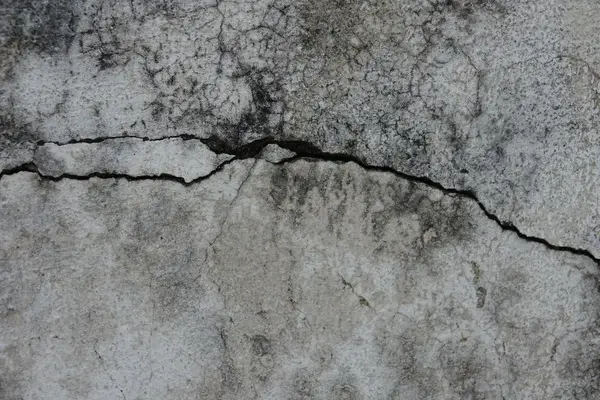
Most concrete failures trace back to a short list of avoidable mistakes: poor site preparation, ignoring the weather, badly mixed concrete, skipped reinforcement, an overworked surface, rushed curing, uneven shuttering, or simply rushing the whole job. Avoid these eight and your slab should stay flat and crack-free for decades. Here's each one, and what to do instead.
Mistake 1: Inadequate site preparation
Concrete poured over grass, roots or debris is a slab on borrowed time, organic material left underneath rots away, and the concrete above it cracks and settles unevenly. Clear the ground completely, then install a proper sub-base layer before any concrete goes down. The slab can only ever be as good as what it sits on.
Mistake 2: Ignoring the weather
Concrete and extreme weather don't mix. In hot conditions the concrete cures too fast and cracks; in cold conditions the water in the mix can freeze during the cure, permanently reducing the slab's strength. Check the forecast before booking a pour, and if the weather turns, protect the work, curing blankets in the cold, sunshades in the heat.
Mistake 3: Poor mixing
Improperly mixed concrete causes problems from reduced strength to a patchy, uneven finish. If you're mixing yourself, follow the manufacturer's guidance on water-to-cement ratios exactly and mix to a uniform consistency. Too much water is the classic error. For most projects, the safer answer is ready-mixed concrete: it arrives consistent, batch after batch.
Mistake 4: Skimping on reinforcement
Concrete is strong under compression but weak under tension. An unreinforced slab under load will find its own way to crack. Use fibre reinforcement in the mix, particularly for structural slabs like garage bases and driveways. It's a small addition at the batching plant that strengthens the entire slab.
Mistake 5: Overworking the surface
More trowelling is not better trowelling. Excessive working weakens the surface layer and can leave the slab prone to water pooling. Smooth the surface only until it's level, and once the bleed water has evaporated, stop. The concrete is telling you it's done.
Mistake 6: Inadequate curing
Curing is where concrete gets its strength, and cutting it short can reduce the slab's durability by up to 50%. Keep the concrete damp for at least seven days for most mixes, a gentle hose-down helps, especially in hot conditions. A week of patience buys decades of durability.
Mistake 7: Uneven shuttering
The shuttering defines the slab, so it must be square, flat and level, with enough support to hold its shape before any concrete is poured. The classic DIY failures are shuttering that's out of level, undersized boards, or a frame that bulges or collapses under the weight of wet concrete, and every one of them is cast permanently into the base.
Mistake 8: Rushing the process
Every stage of a concrete job (preparation, shuttering, pouring, finishing, curing) needs its own share of care and time. Rush any of them and the finished slab pays for it. Our base teams' rule is simple: the job takes as long as the job takes.
Two of these mistakes have full guides of their own: setting up shuttering correctly and when to use reinforcement. Or sidestep all eight mistakes at once: our concrete base laying service lays bases for garages, sheds and garden rooms with our own experienced teams, so ask for a base quote and leave the concrete to us.
Concrete laying questions, answered
How long should concrete cure before use?
Keep the slab damp and curing for at least seven days for most mixes. Inadequate curing can reduce the concrete's durability by up to 50%, so this is not the stage to hurry.
What happens if you lay concrete in hot or cold weather?
Heat makes concrete cure too quickly, which causes cracking; freezing conditions during the cure permanently reduce its strength. Check the forecast first, and use curing blankets or sunshades if conditions turn.
Why shouldn't you overwork a concrete surface?
Excessive trowelling weakens the surface layer and encourages water pooling. Smooth until level, and stop working the surface once the bleed water has evaporated.
What's the most common cause of cracked concrete slabs?
Poor preparation under the slab (organic material or debris left in place, or no proper sub-base) followed closely by inadequate curing. Both are entirely avoidable with a little patience at the right stage.
In short: most concrete failures trace back to eight avoidable mistakes. Poor site preparation is the biggest: concrete poured over grass, roots or debris sits on organic material that rots away and lets the slab crack and settle. Ignoring the weather is next: heat cures concrete too fast and cracks it, and freezing conditions during the cure permanently reduce its strength. Poor mixing weakens the slab and spoils the finish, with too much water the classic error, which is why ready-mixed concrete is the safer answer on most jobs. Skimping on reinforcement matters because concrete is strong in compression and weak in tension, so structural slabs such as garage bases and driveways want fibre reinforcement in the mix. Overworking the surface weakens the top layer and encourages pooling, so stop trowelling once the bleed water has evaporated. Rushing the cure is the quiet one: inadequate curing can reduce durability by up to 50%, and most mixes want at least seven days damp. Uneven shuttering casts every error permanently into the slab. And rushing the job overall produces all of the above at once. Nucrete lays bases for garages, sheds and garden rooms with its own experienced teams.
Written and reviewed by the Nucrete team. Nucrete's base teams prepare and pour bases every week of the year. Call free on 0800 849 9036.