
20 July 2023 · Sharon Winson
Do concrete garages get damp?
They can, but damp in a concrete garage is almost always preventable. Here's where it comes from and how to stop it.
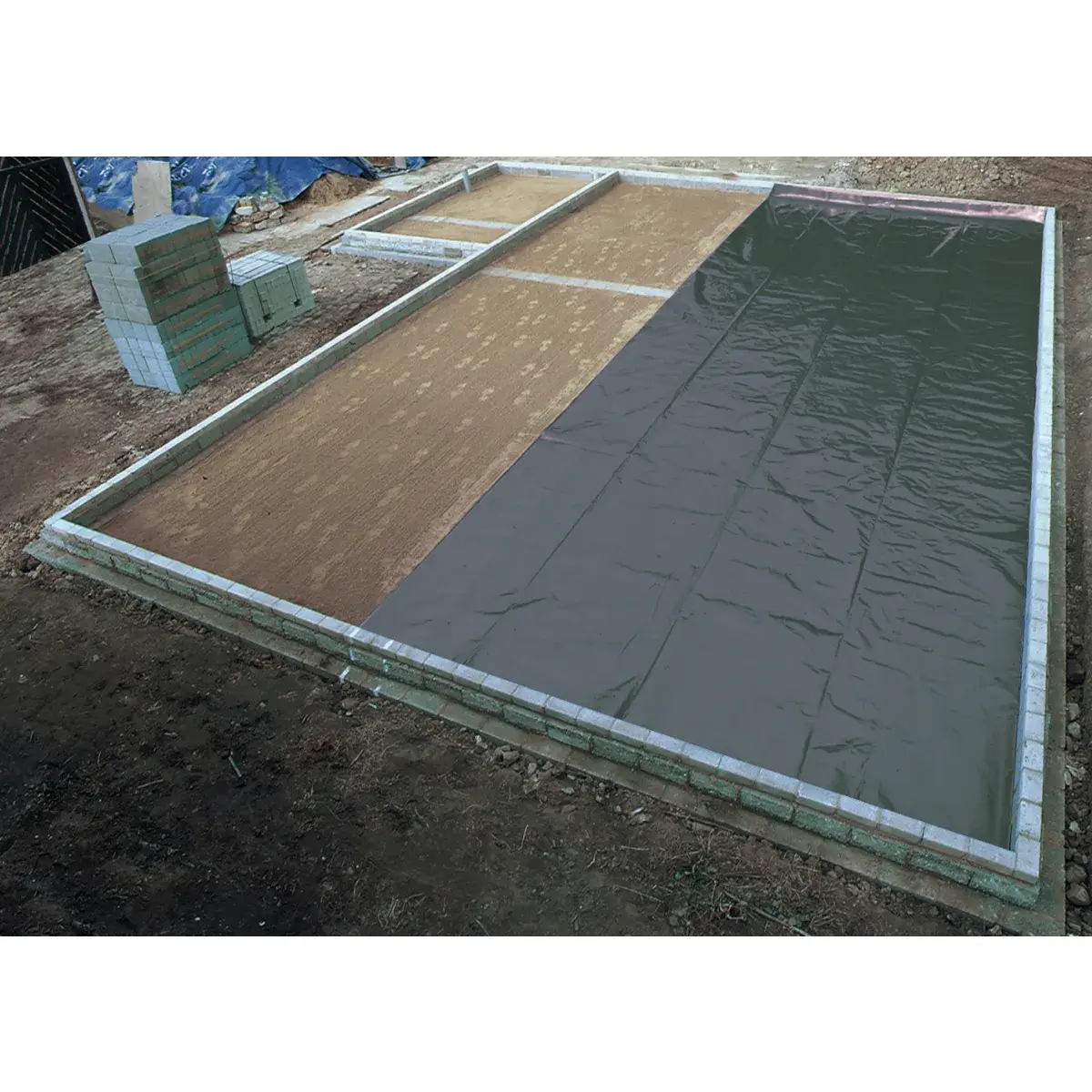
Concrete garages can get damp, but they don't have to. Damp usually comes from condensation, poor drainage around the building or moisture rising through the base, not from the panels failing. With good ventilation, working gutters, a damp proof membrane under the base and anti-condensation roof sheets, a concrete garage stays dry year round.
Why do concrete garages get damp?
Concrete is a porous material. It contains microscopic pores and capillaries that can let moisture through, so where damp appears, it's usually one of four causes:
• Condensation: warm, moist air meeting cold concrete or metal surfaces, most common in winter and in garages with little ventilation. • Poor drainage: ground that slopes towards the garage, or missing and blocked gutters, letting water pool against the base. • Moisture from below: a base laid without a damp proof membrane lets ground moisture rise through the slab. • Construction problems: gaps, poor sealing or a badly laid base letting weather in.
In our experience, condensation is by far the most common of the four, and the easiest to fix.
What problems does a damp garage cause?
Left alone, persistent damp causes three kinds of trouble. It can damage the structure over time: cracking, surface spalling and general deterioration. It encourages mould and mildew, which are unpleasant and bad for anyone with allergies. And most immediately, it ruins whatever you're storing: tools rust, boxes soften, fabrics smell. If the garage is protecting things you care about, it's worth getting damp under control early.
How do you stop a concrete garage getting damp?
Six measures cover almost every case:
• Start with a properly built garage: sound panels, sealed joints, well fitted. • Keep water moving away: gutters and downpipes in working order, ground graded away from the base. • Ventilate: air movement through eaves vents stops moist air sitting inside and condensing. • Put a damp proof membrane under the concrete base when it's laid. • Seal or coat the inside of the walls if you want extra protection. • Choose roof sheets with an anti-condensation coating, which hold moisture until it can evaporate rather than letting it drip.
Get the base and the roof right at the start and the rest is light maintenance.
A dry garage starts underneath: our concrete base laying service includes a damp proof membrane as part of a properly prepared base. If you want a warm space as well as a dry one, read how to insulate a prefab garage, or compare our concrete garage range and prices.
Is damp a design fault in concrete garages?
No. Damp is almost always about the site and the setup, not the building. Condensation, blocked gutters and bases laid without a membrane cause the vast majority of problems, and all three are preventable.
What causes condensation in a garage?
Warm, moist air touching cold surfaces: typically the roof sheets and walls in winter. Ventilation and anti-condensation roof coatings deal with it in most garages.
Will my things rust or go mouldy in a concrete garage?
Not in a dry one. Keep air moving, keep water draining away from the building and make sure the base has a damp proof membrane, and a concrete garage is a perfectly good store for tools, furniture and anything else.
Do Nucrete garages come with anti-condensation roof sheets?
Anti-condensation roof sheet options are available across our ranges. Tell us how you'll use the garage and we'll recommend the right specification. Call free on 0800 849 9036.
In short: concrete garages can get damp, but damp is a site and setup problem rather than a fault in the panels. It has four causes: condensation where warm moist air meets cold concrete or metal, poor drainage where ground slopes towards the building or gutters are blocked, moisture rising through a base laid without a damp proof membrane, and construction faults such as unsealed joints. Condensation is by far the most common and the easiest to fix. Six measures cover nearly every case: a soundly built and well fitted garage, gutters and downpipes kept working with ground graded away from the base, ventilation through eaves vents, a damp proof membrane under the slab, sealing or coating the inside of the walls, and roof sheets with an anti-condensation coating that hold moisture until it evaporates rather than letting it drip. Left unchecked, damp causes surface spalling and deterioration, mould and mildew, and rusted tools and spoiled storage. Nucrete includes a damp proof membrane as part of its concrete base laying service and offers anti-condensation roof sheet options across its ranges.
Written and reviewed by the Nucrete team. Nucrete has manufactured concrete garages in its Bradford factory for over 45 years. Tell us how you plan to use the garage and we'll recommend the right specification. Call free on 0800 849 9036.