
18 July 2023 · Sharon Winson
Do you need permission to turn a garage into a room?
Often no planning permission, but building regulations are a different matter. Here's what to check before the conversion starts.
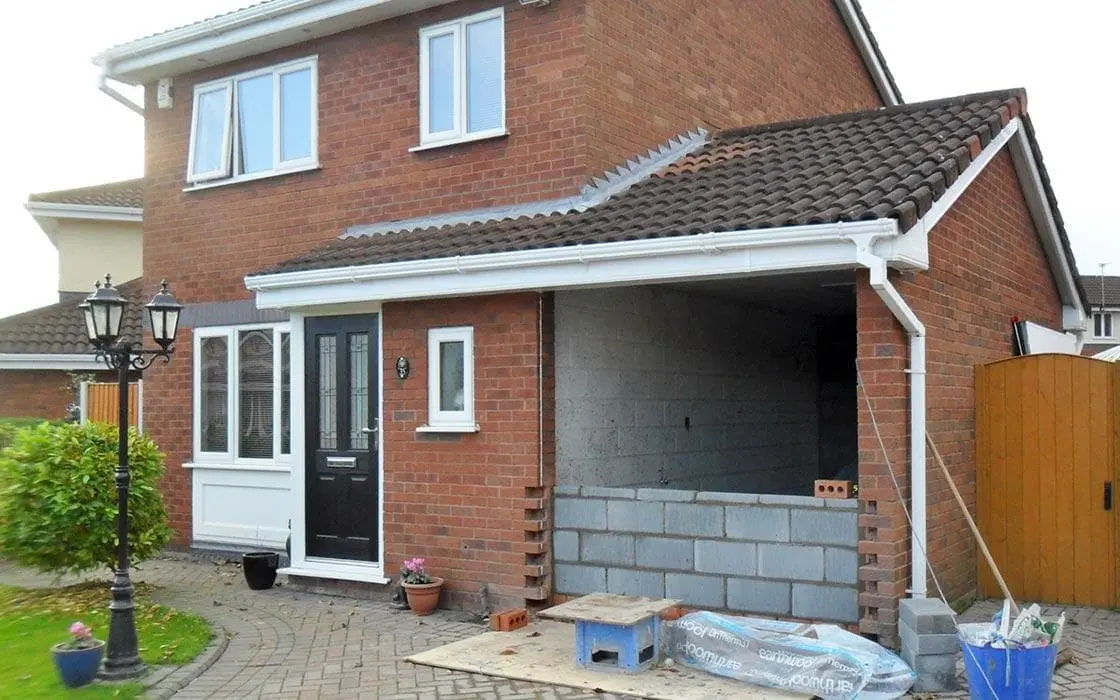
In many cases you don't need planning permission to turn a garage into a room. Permitted development rights often cover conversions that keep the building's external appearance and don't increase its volume. Building regulations are a separate matter: creating habitable space, especially anywhere someone will sleep, normally needs building regulation approval. Always confirm with your local authority first.
When can you convert a garage without planning permission?
Permitted development rights may let you convert without a planning application when the work stays within set conditions. Broadly, the conversion should:
• Keep the external appearance of the building as it is. • Not increase the building's volume. • Not harm the amenity of neighbouring properties.
The planning status of the existing garage matters too. A garage approved purely for storing vehicles can carry conditions that affect a change of use. That's a detail worth checking with your local planning authority before any money is spent, because it varies from property to property.
Do building regulations apply to a garage conversion?
Almost always, yes, and this catches people out. Even where no planning permission is needed, converting a garage into habitable space brings building regulations into play: insulation, ventilation, fire safety and more all have standards to meet. If the room will include sleeping accommodation, building regulation approval is required even when planning approval isn't.
Simple storage use doesn't trigger the same requirements. It's the step up to living space that changes the rules.
Which properties are the exceptions?
Permitted development rules are stricter, or removed entirely, for some homes. If your property is in a conservation area, a national park or an Area of Outstanding Natural Beauty, or if it's listed, expect tighter limits and possibly a full application. Some properties also have permitted development rights removed by planning conditions.
Whichever category you're in, the safe route is the same: a quick conversation with your local planning authority before work starts. It costs little and removes all doubt.
Is converting a double garage any different?
Not in principle. The same tests apply whether the garage has one door or two: keep the work internal and the exterior unchanged and you are usually within permitted development, and building regulations apply either way.
What does trigger a planning application, on a single or a double, is going beyond an internal fit-out, removing structural walls, altering or raising the roofline, or a change of use to self-contained living space. Extensive plumbing such as a shower room, or sleeping accommodation, pushes a conversion the same way.
One option worth knowing about on a double: convert half and keep half as a garage. You save the door replacement and the flooring over half the floor area, you stay within permitted development more comfortably, and you keep somewhere for the mower and the bikes. It is the cheapest version of the job and the one people most often wish they had considered.
Where does the car go afterwards?
The practical question every conversion raises: the car, the bikes, the tools and everything else the garage held still need a home. That's the most common reason customers come to us mid-conversion, a prefab concrete garage in the garden replaces the storage the house just absorbed, most are installed in around a day, and every price includes VAT, delivery and installation.
Related reading: do you need planning permission for a garage? If the conversion is going ahead, browse replacement garage options and prices.
Is planning permission needed to convert an attached garage?
Often not, if the conversion keeps the external appearance and stays within permitted development, but conditions on your property can change that, so confirm with your local planning authority before starting.
Do I need building regulations approval for a garage conversion?
Nearly always, yes. Turning a garage into habitable space involves insulation, ventilation and fire-safety standards, and sleeping accommodation requires building regulation approval even when planning permission isn't needed.
What if my house is in a conservation area?
Expect stricter rules: conservation areas, national parks, Areas of Outstanding Natural Beauty and listed buildings all limit permitted development. Speak to your local authority before committing to the work.
What do people do with everything the garage stored?
Most add storage back in the garden. A prefab concrete garage or shed replaces what the conversion took away, installed in around a day, with VAT, delivery and installation included in the price. It matters most after a double conversion, which takes away a household's largest storage space in one go.
Is converting a double garage different from a single?
Not in principle: the same planning and building regulations tests apply either way. The difference is practical: a double is a bigger job, and you have the option of converting half and keeping half as a garage, which saves on doors and flooring and keeps your storage.
Can a converted garage include a bedroom?
Sleeping accommodation moves the project into stricter territory. Building regulation approval is required outright, and planning permission may be too. Get advice from your local authority before designing around a bedroom.
In short: turning a garage into a room often needs no planning permission, but nearly always needs building regulations approval, and those are two separate things. Permitted development commonly covers a conversion that keeps the building's external appearance, doesn't increase its volume and doesn't harm neighbours' amenity. Building regulations apply regardless, because habitable space has to meet standards for insulation, ventilation and fire safety, and approval is required outright if anyone will sleep in the room. Listed buildings, conservation areas, national parks and Areas of Outstanding Natural Beauty face tighter limits, as do properties whose permitted development rights have been removed by a planning condition. A converted garage also takes the household's storage with it, which is why many owners add a garage in the garden: Nucrete builds these at its own factory in Bradford and installs most in around a day, with VAT, delivery and installation in every price.
Written and reviewed by the Nucrete team. This is general guidance on the rules in England and Wales, not a substitute for advice from your local planning authority or building control. Call free on 0800 849 9036.